
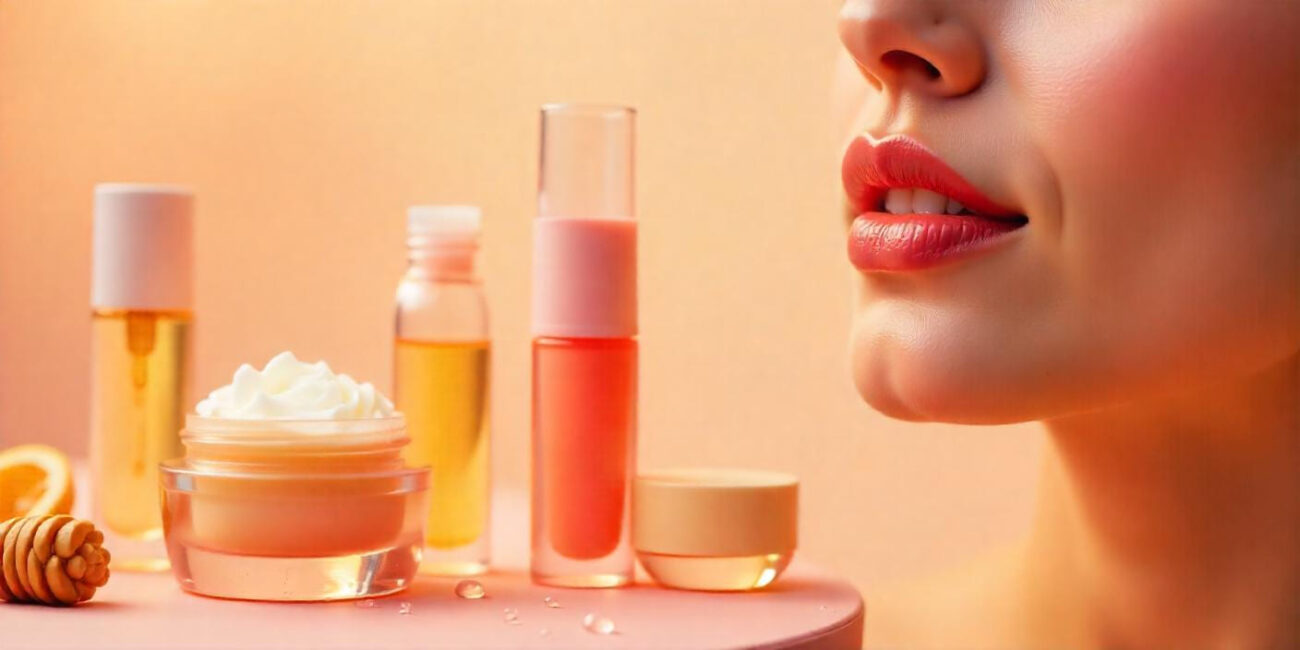
I used to ignore my lips—like, completely. I’d slather moisturizer on my face every morning and night, but my lips? I’d just let them dry out, peel, and crack until they hurt so bad I couldn’t smile without wincing. I thought chapped lips were just a fact of life, especially in winter, or when I forgot to drink enough water. I’d buy cheap lip balms from the drugstore, slather them on, and wonder why my lips still felt dry an hour later. It wasn’t until I had a big event and my lips were so chapped that my lipstick looked patchy and terrible that I realized: lip care is just as important as skincare, and I’d been doing it all wrong. For years, I made every mistake in the book—licking my lips, using balms with harsh ingredients, skipping exfoliation—and my lips paid the price. If you’re someone who struggles with dry, chapped, or dull lips, and you have no idea where to start with caring for them, this guide is for you. It’s everything I wish I’d known back when I thought lip care was just “putting on some balm.” No fancy jargon, just real, honest advice from someone who’s been there, fixed their chapped lips, and now never leaves the house without a good lip product. Let’s break it all down, step by step.
First, let’s talk about why our lips get dry in the first place—because understanding the problem makes it easier to fix it. Unlike the rest of our skin, our lips don’t have oil glands. That means they can’t produce their own moisture, so they’re way more prone to drying out, especially when exposed to harsh weather (cold, wind, dry heat), air conditioning, or even just forgetting to drink enough water. I used to think dry lips were just “something that happens,” but turns out, most of the time, it’s a combination of environmental factors and bad habits. Speaking of bad habits—let’s get rid of the worst ones first. Licking your lips is the biggest culprit. I know, it’s a reflex when your lips feel dry, but saliva actually dries out your lips even more. Saliva has enzymes that break down the thin layer of moisture on your lips, leaving them drier than before. I used to catch myself licking my lips constantly, especially when I was stressed, and once I stopped, I noticed a huge difference. Another bad habit: picking or peeling your chapped lips. I’ve done this a million times, and it always makes things worse—peeling can tear the delicate skin on your lips, leading to bleeding and even more dryness. Trust me, I’ve learned the hard way: leave the peeling skin alone.
Now, let’s get to the basics: building a simple, effective lip care routine. You don’t need a million products—just three key steps: exfoliate, moisturize, and protect. Let’s start with exfoliation. Exfoliating your lips removes dead, dry skin, which makes it easier for moisturizer to absorb and keeps your lips smooth (no more patchy lipstick!). I used to skip this step, thinking it was unnecessary, but once I started, my lips felt softer than ever. The key is to exfoliate gently—you don’t want to scrub your lips raw. You can buy a gentle lip scrub (look for ones with sugar or salt as the exfoliant, and natural oils like coconut or jojoba to moisturize), or make your own at home with a little sugar and honey. I make mine by mixing a teaspoon of brown sugar with a drop of olive oil—simple, cheap, and effective. Gently massage the scrub onto your lips in circular motions for 30 seconds, then rinse it off with warm water. Do this 1-2 times a week—any more than that, and you’ll irritate your lips.
Next, the most important step: moisturizing. After exfoliating, your lips are ready to soak up moisture, so this is when you apply a good lip balm or lip mask. But not all lip balms are created equal—let’s talk about what to look for (and what to avoid). The best lip balms are made with natural, nourishing ingredients that lock in moisture. Look for ingredients like shea butter, cocoa butter, beeswax, jojoba oil, argan oil, or vitamin E. These ingredients create a protective barrier on your lips, keeping moisture in and harsh elements out. I used to buy cheap lip balms that were mostly petroleum jelly, and while they felt good for a minute, they didn’t actually moisturize—they just coated my lips. Now, I use a shea butter lip balm every morning and night, and my lips stay soft all day. What to avoid? Lip balms with fragrance, menthol, or camphor. These ingredients can irritate your lips, especially if they’re already chapped. I once bought a minty lip balm thinking it would feel refreshing, but it made my lips burn and dry out even more. Stick to unscented or naturally scented balms (like vanilla or lavender) if you want a little scent.
Third step: protection. Just like your face, your lips need protection from the sun. UV rays can damage the delicate skin on your lips, leading to dryness, dullness, and even sunburn (yes, lips can get sunburned!). I never thought about this until I spent a day at the beach and my lips got so sunburned they peeled for a week. Now, I always use a lip balm with SPF 30 or higher, especially when I’m outside for more than 10 minutes. You can find lip balms with SPF that are moisturizing too—look for ones with zinc oxide or titanium dioxide (mineral sunscreens) for the gentlest protection. This step is non-negotiable, even in winter—UV rays are still present, and snow can reflect them, making sun damage even worse. Pro tip: Keep a lip balm with SPF in your purse, car, and desk so you can reapply throughout the day.
Let’s talk about some common lip care myths I used to believe. Myth 1: Petroleum jelly is the best lip moisturizer. As I mentioned earlier, petroleum jelly just coats your lips—it doesn’t actually nourish them or lock in long-term moisture. It’s okay for a quick fix, but it’s not a replacement for a nourishing lip balm with natural oils. Myth 2: The more lip balm you apply, the better. Nope—applying too much lip balm can actually make your lips dependent on it, meaning they produce even less moisture on their own. Stick to 2-3 applications a day (morning, afternoon, night) unless your lips are extra dry. Myth 3: Lipstick is bad for your lips. Not necessarily—some lipsticks have moisturizing ingredients, but cheap, drying lipsticks (like matte ones with no hydration) can make chapped lips worse. If you love wearing lipstick, apply a lip balm first as a base, then apply your lipstick. This keeps your lips moisturized and prevents the lipstick from drying them out.
What about specific lip concerns? Let’s cover the most common ones. If you have extremely dry, chapped lips (like I did), try using a lip mask at night. Lip masks are thicker than lip balms, so they provide deeper hydration while you sleep. I use a shea butter and jojoba oil lip mask every night before bed, and when I wake up, my lips are soft and plump. If you have dull lips, exfoliating regularly and using a lip balm with vitamin E can help brighten them. Vitamin E is an antioxidant that helps repair damaged skin and restore a healthy glow. If you have sensitive lips (they get red or irritated easily), stick to fragrance-free, hypoallergenic lip balms—avoid any ingredients that might cause irritation, like menthol, camphor, or artificial colors.
One thing I wish I’d known earlier: lip care is a daily habit, not a one-time fix. You can’t exfoliate once and expect your lips to stay soft forever—you need to stick to your routine consistently. I used to exfoliate once every few weeks and wonder why my lips were still dry. Now, I exfoliate twice a week, apply lip balm every morning and night, and reapply throughout the day, and my lips are never chapped anymore. It’s a small habit, but it makes a huge difference. Another tip: drink plenty of water. Hydration from the inside out is just as important as moisturizing from the outside. If you’re dehydrated, your lips will be dry no matter how much lip balm you apply. I try to drink 8 glasses of water a day, and it helps keep my lips (and skin) hydrated.
Lip care doesn’t have to be complicated or expensive. You don’t need to buy fancy, high-end products—some of the best lip balms are affordable and available at the drugstore. The key is to find what works for your lips and stick to it. Whether you prefer a simple shea butter balm, a sugar scrub, or a nourishing lip mask, the most important thing is to be consistent and avoid bad habits. I used to think chapped lips were inevitable, but now I know they’re just a sign that your lips need a little extra love.
If you’re tired of dealing with dry, chapped, or dull lips, take a deep breath—you’re not alone, and it’s easy to fix. Start with the three-step routine: exfoliate gently 1-2 times a week, moisturize with a nourishing lip balm daily, and protect with SPF. Avoid bad habits like licking or peeling your lips, and drink plenty of water. In no time, you’ll have soft, smooth lips that look and feel amazing. Remember, your lips are one of the first things people notice about you, and taking care of them is a small way to feel more confident and put-together. So go ahead, give your lips the love they deserve—you’ll be glad you did.