
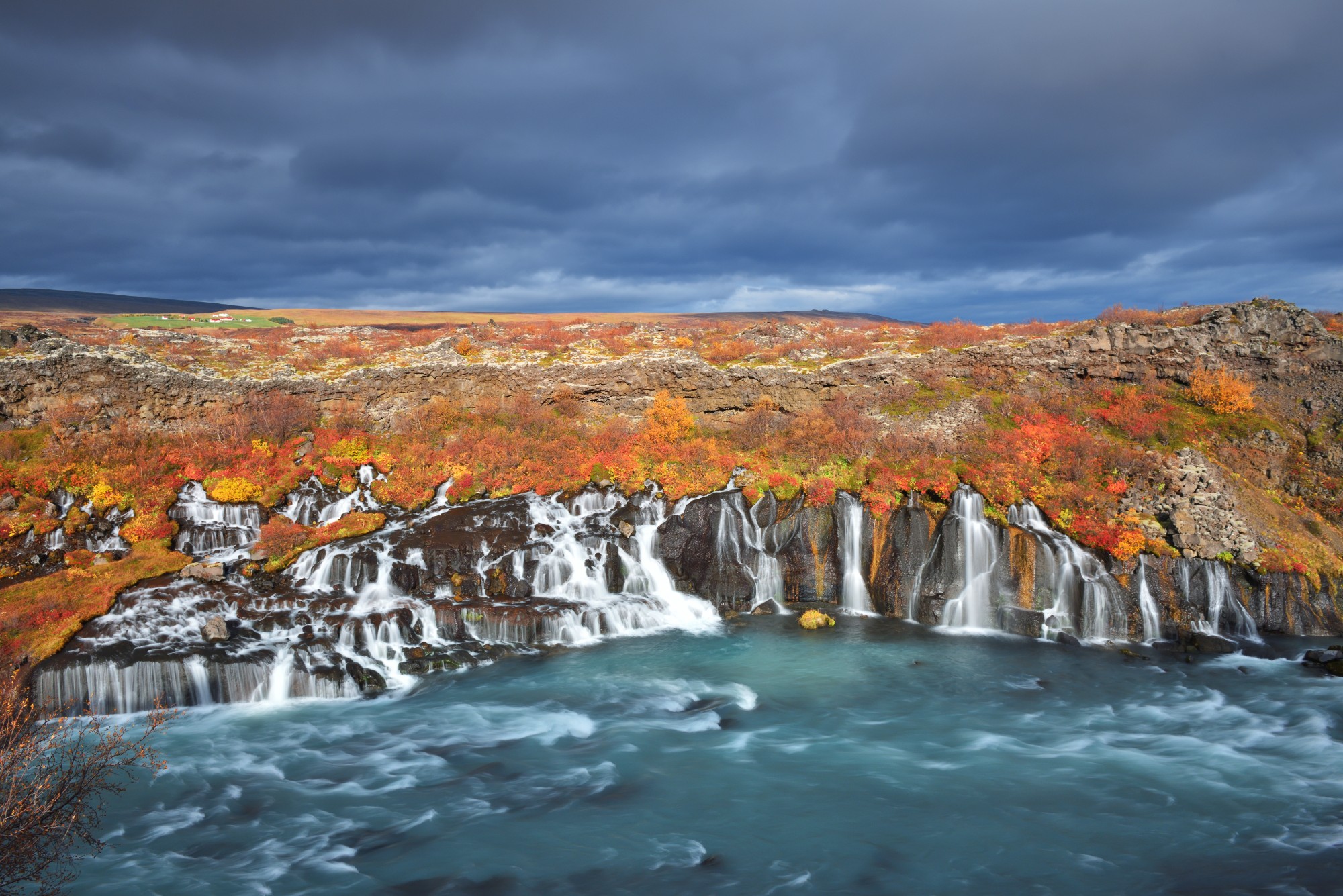
Before my trip to Iceland, all I saw online was the same handful of spots: the Blue Lagoon, Gullfoss Waterfall, and the Golden Circle. Don’t get me wrong—those places are beautiful, but I wanted more. I wanted to escape the crowds, to stand somewhere quiet where the only sounds were the wind, the waves, and the rumble of distant glaciers. I wanted to find the Iceland that isn’t in every Instagram post—the hidden waterfalls, empty black sand beaches, and cozy villages that feel like they’re stuck in time. This isn’t a “check off the landmarks” guide; it’s my honest, messy account of exploring Iceland’s off-the-beaten-path spots, where ice meets fire in the most secret, romantic ways. No fancy tour buses, no crowded viewpoints—just me, a rental car, and a willingness to get lost (literally, more than once). If you’re tired of the same old Iceland itinerary and want to unlock its hidden magic, this is for you.
First, let’s talk about the biggest mistake most travelers make: sticking to the Golden Circle. Don’t do it. Sure, it’s easy, and it’s what everyone recommends, but you’ll spend more time waiting in lines and fighting for a photo spot than actually enjoying the scenery. I skipped the Golden Circle entirely (gasp, I know) and focused on the south coast’s lesser-known spots, plus a few detours to the west and north that even some locals told me were “too out of the way.” Spoiler: those detours were the best parts of my trip. First, where to stay—forget Reykjavik if you want to truly escape. I booked a tiny cottage in Vik (a small village on the south coast) for the first few nights, and a cozy guesthouse in Akureyri (the “capital of the north”) for the rest. Staying outside the city meant waking up to views of mountains and glaciers, not traffic, and it made every day feel like an adventure.
Day 1: South Coast’s Hidden Waterfalls & Secret Beaches.
I picked up my rental car (pro tip: get a 4×4—some of these roads are gravel and bumpy, and you’ll thank me later) early in the morning and drove from Keflavik Airport to Vik. The drive itself was stunning—endless green moss-covered hills, black sand stretching along the coast, and the Atlantic Ocean crashing against the rocks. My first stop wasn’t Skogafoss (the crowded one)—it was Seljalandsfoss’ lesser-known neighbor, Gluggafoss. You’ve probably never heard of it, and that’s the point. There’s no parking lot, no gift shop, just a narrow dirt path that leads to a small, cascading waterfall surrounded by mossy cliffs. I stood there alone for 20 minutes, listening to the water and watching rainbows dance in the mist. It was quiet, it was raw, and it was way more magical than any crowded landmark.
Afternoon: I drove a little further to Dyrholaey, but not the main viewpoint—instead, I followed a tiny, unmarked trail down to a hidden black sand beach. The sand was jet-black, the waves were a deep blue, and there wasn’t a single other person in sight. I walked along the shore, collecting smooth black stones, and watched seagulls fly overhead. Later, I stopped at a local farm stand (the only one for miles) and bought a cup of homemade skyr (Iceland’s famous yogurt)—thick, tangy, and perfect for a midday snack. Evening: I headed back to my cottage in Vik, built a small fire (yes, even in summer—it gets cold!), and watched the sunset paint the sky pink and orange over the mountains. It was simple, it was quiet, and it was exactly the Iceland I’d dreamed of.
Day 2: Glacier Hike Off the Grid & Hidden Hot Springs.
Most people do the popular Sólheimajökull glacier hike, but I booked a small-group tour to a lesser-known glacier tongue called Svínafellsjökull. Our group had only 6 people, and our guide was a local who grew up hiking these glaciers. He took us off the main trail, where we cramponed over blue ice, crawled through small ice caves (not the crowded blue ice caves—these were tiny, secret ones only locals know about), and learned about how the glaciers are changing. It was intimate, it was educational, and I felt like I was exploring a world that few people get to see. Pro tip: dress in layers—even in summer, the glacier is freezing, and the wind is brutal.
Afternoon: I skipped the Blue Lagoon (overpriced and crowded) and went to Flúðir Hot Springs instead. It’s a small, local hot spring with two pools—one warm, one hot—surrounded by green hills. There’s no fancy spa, no face masks, just clear, warm water and the sound of birds chirping. I sat in the pool for an hour, watching the clouds roll over the mountains, and talked to a local couple who told me this is where they come to relax on weekends. It was cheap (only 15 euros!), quiet, and way more authentic than the Blue Lagoon. Evening: I cooked dinner in my cottage—fresh fish from a local market, potatoes, and vegetables—and ate outside under the midnight sun (yes, in summer, the sun never fully sets!). It felt like a dream—warm water in the afternoon, a cozy fire at night, and the sun still shining at 10 PM.
Day 3: Westfjords Detour—A Village Time Forgot.
Today was my favorite day: a detour to the Westfjords, one of Iceland’s most remote regions. The drive was long (about 3 hours from Vik), but it was worth every minute. The roads wind along the coast, with steep cliffs on one side and the Atlantic Ocean on the other. I stopped at a tiny village called Gásadalur—population: 15. It’s a cluster of colorful wooden houses perched on a cliff, with a small waterfall that cascades directly into the ocean. There’s no store, no restaurant, just a few locals who waved as I drove by. I parked my car and walked to the waterfall—there was no one else there, just the sound of water crashing into the sea and the wind in my hair. It was the most peaceful place I’ve ever been, and it felt like I’d stepped into a postcard that no one else had seen.
Afternoon: I drove to Dynjandi Waterfall, a series of cascading waterfalls that are far less crowded than Gullfoss. I hiked the short trail to the top, where I had a panoramic view of the fjord below. The water was crystal clear, and the surrounding hills were covered in green moss. I sat on a rock and ate a snack, watching the waterfall and feeling grateful that I’d taken the time to get off the main road. Evening: I drove back to my cottage, tired but happy. I stopped at a small pub in Vik on the way—there were only a few locals there, and they bought me a beer and told me stories about growing up in Iceland. It was a small moment, but it’s one I’ll never forget.
Day 4: North Iceland—Geothermal Wonders & Quiet Villages.
I drove to Akureyri in the north, and the drive was a revelation. The landscape changed from black sand beaches to green valleys, with snow-capped mountains in the distance. Akureyri is a small, charming town with colorful houses, cozy cafes, and a beautiful harbor. Morning: I visited the Myvatn Nature Baths—often called the “Blue Lagoon of the north,” but way less crowded. The water is a milky blue, heated by geothermal energy, and surrounded by lava fields. I swam there for an hour, and I only saw a handful of other people. It was relaxing, it was beautiful, and it didn’t cost a fortune.
Afternoon: I drove to Godafoss Waterfall, but not the main viewpoint—instead, I followed a trail down to the riverbank, where I could stand right next to the water. The waterfall is powerful, with water crashing over the rocks and creating rainbows in the mist. I sat there for a while, watching the water and listening to its roar. Later, I wandered around a small village called Husavik—known for whale watching, but I skipped that (too touristy) and instead visited a local museum about Iceland’s fishing history. It was small, but it gave me a glimpse into what life is like in northern Iceland. Evening: I had dinner at a tiny seafood restaurant in Akureyri—fresh lobster soup and grilled fish, served with a glass of local white wine. The owner was the chef, and he came out to chat with me about his life in Iceland. It was warm, it was authentic, and it felt like home.
Day 5: Final Hidden Gems & Farewell to Iceland.
My last day was all about slowing down and savoring the little moments. Morning: I drove to a hidden lava field called Dimmuborgir, where the lava has formed strange, otherworldly shapes—like something out of a fantasy movie. There are no crowds, just me and the quiet of the lava fields. I walked around for an hour, taking photos and marveling at how the earth can create such strange, beautiful things. Afternoon: I stopped at a local bakery in Akureyri and bought a cinnamon roll (warm, gooey, and delicious) and a cup of coffee. I sat on a bench in the town square, watching locals go about their day, and reflected on my trip.
Evening: I drove back to Reykjavik, but I took the long way, stopping at a few more hidden spots along the way—a small lake surrounded by mountains, a hidden cove with clear blue water, and a field of wildflowers. I arrived in Reykjavik as the sun was setting, and I walked along the harbor, watching the boats come in. I had dinner at a tiny hot dog stand (yes, Icelandic hot dogs are amazing—try one with all the toppings!) and sat on a bench, watching the sky turn pink and purple. It was the perfect end to a perfect trip.
Now, real-talk tips for fellow travelers—things I wish I knew before I went: First, rent a 4×4. Trust me, some of these roads are gravel, bumpy, and narrow, and a regular car won’t cut it. Also, buy gravel insurance—my car got a few scratches from gravel, and the insurance covered it. Second, bring warm, waterproof clothes. Iceland’s weather is unpredictable—one minute it’s sunny, the next it’s raining and windy. I brought a waterproof jacket, warm layers, and waterproof boots, and I still got cold sometimes. Third, don’t rely on GPS. Some of these hidden spots aren’t on Google Maps—ask locals for directions, or use a paper map (yes, they still exist!). I got lost twice because my GPS didn’t recognize the dirt roads, but the locals were happy to help me find my way. Fourth, bring a reusable water bottle. Iceland’s tap water is some of the cleanest in the world—you can drink it anywhere, and it will save you money (bottled water is expensive!). Fifth, book accommodation early. The small cottages and guesthouses in remote areas fill up fast, especially in summer. Sixth, embrace the quiet. Iceland is a sparse country—you might drive for an hour without seeing another car. Don’t be scared of the silence; embrace it. It’s part of the magic. Seventh, don’t try to see everything. Focus on a few hidden spots, take your time, and savor the moment. Iceland is not a place to rush through.
This trip wasn’t perfect—I got lost, I got caught in a rainstorm, I spent too much money on skyr (no regrets), and I missed a few spots I wanted to see. But that’s what made it real. Iceland’s hidden gems aren’t about perfection; they’re about authenticity. They’re about standing alone in a field of moss, listening to a waterfall, and feeling small in the best way possible. They’re about connecting with the land, the people, and the magic of a country where ice and fire coexist in harmony.
If you’re planning a trip to Iceland and want to avoid the crowds, this is your sign to skip the热门线路 (popular routes) and explore the hidden side. You don’t need a fancy itinerary or a big budget—just a rental car, a sense of adventure, and a willingness to get lost. Iceland’s most beautiful moments aren’t in the Instagram posts; they’re in the quiet, secret spots that only a few people get to see. I left Iceland feeling changed—calmer, happier, and more connected to the world around me. It’s a country that steals your heart, one hidden waterfall, one quiet beach, one warm cup of skyr at a time. Trust me, once you find Iceland’s hidden magic, you’ll never want to leave.