
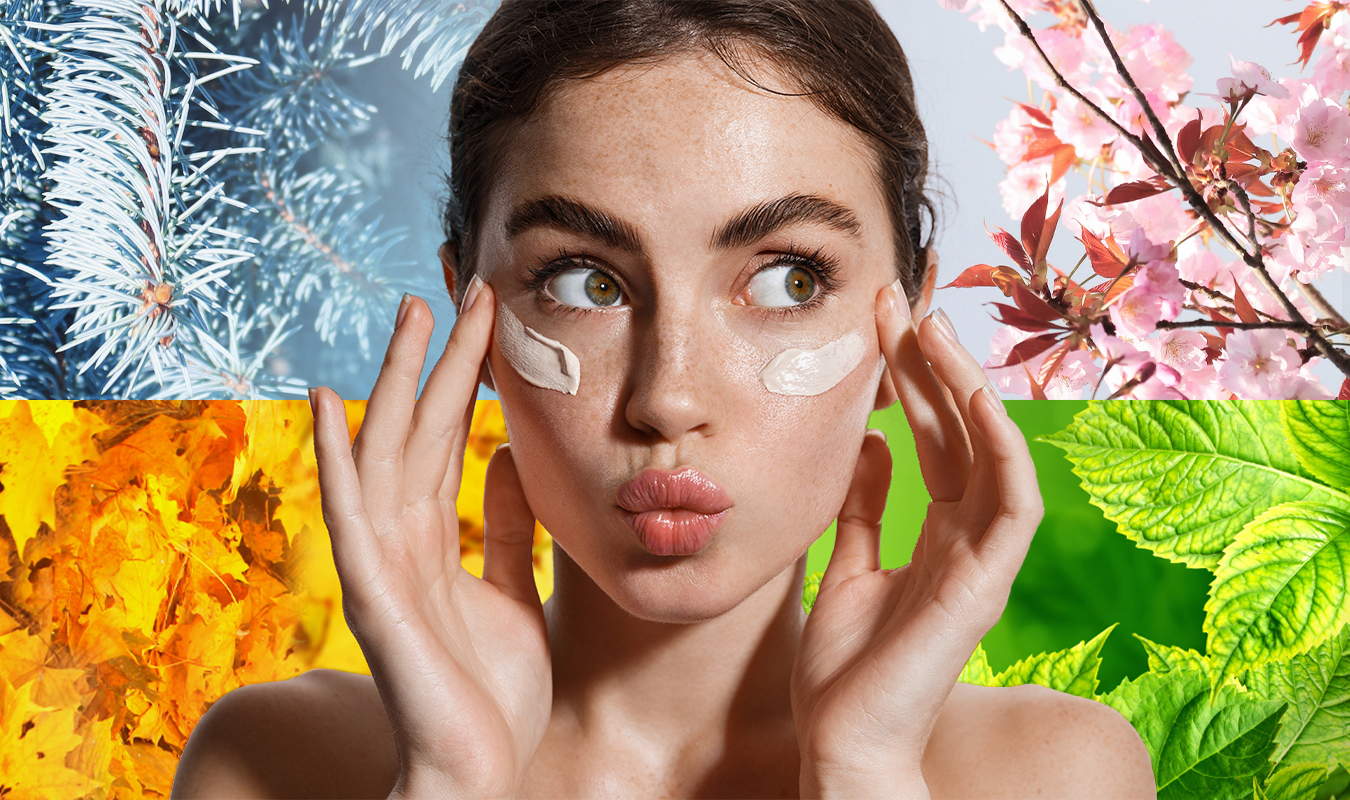
I used to be the girl who used the same skincare products 365 days a year. A single cleanser, one moisturizer, and a bottle of SPF—no matter if it was freezing cold outside or sweltering hot. I’d wonder why my skin was dry and flaky in winter, oily and breakout-prone in summer, and dull and irritable in spring and fall. It never occurred to me that my skin’s needs change with the seasons, just like my wardrobe does. Why would I wear a heavy coat in July? So why would I use a thick, rich moisturizer when the air is humid and sticky? It took me years of trial and error—of dealing with chapped cheeks in winter and shiny T-zones in summer—to realize: seasonal skincare isn’t a fancy trend; it’s a necessity. Your skin reacts to temperature, humidity, wind, and sunlight differently every season, and your routine needs to keep up. This guide is everything I wish I’d known back when I was using the same moisturizer year-round—real, honest advice from someone who’s been there, messed up, and finally found a routine that works for every season. Let’s break it down, season by season.
Let’s start with winter—the season that used to wreak the most havoc on my skin. I live in a place where winters are cold, dry, and windy, and for years, my cheeks would get so chapped they’d burn, and my lips (and even my hands) would peel nonstop. I’d slather on the same lightweight moisturizer I used in summer, and it would sink in within 10 minutes, leaving my skin just as dry as before. That’s the mistake: winter skin needs heavy, nourishing hydration to fight the dry air (both outside and inside, thanks to heating systems). Now, my winter routine is all about locking in moisture. I swap my foaming, gentle cleanser for a creamy, hydrating one—foaming cleansers can strip your skin of its natural oils, which is the last thing you want when the air is already dry. Then, I use a hydrating toner with hyaluronic acid to add an extra layer of moisture, followed by a rich, thick moisturizer (think shea butter or ceramides) that creates a protective barrier on my skin. And I never skip SPF—even in winter! UV rays are still present, and snow can reflect them, making sun damage worse. I also add a facial oil a few times a week—just a drop mixed into my moisturizer—to give my skin an extra boost of hydration. Trust me, this change turned my dry, flaky winter skin into soft, supple skin that doesn’t feel tight or irritated.
Next, spring—the season of change, and for my skin, the season of confusion. As the weather warms up and the air gets a little more humid, my skin would often get dull, congested, and even break out. I used to keep using my heavy winter moisturizer, which made my skin feel greasy and clogged. Spring is all about transition—lightening up your routine but still keeping hydration front and center. I switch back to my gentle, foaming cleanser (to wash away any leftover winter dryness and dirt from pollen and blooming plants) but keep the hydrating toner. I swap my thick winter moisturizer for a lighter, gel-based one that’s hydrating but not heavy—something that absorbs quickly and doesn’t leave a greasy residue. Spring is also the season of allergies, which can make skin sensitive and red, so I avoid harsh exfoliants or serums with strong ingredients (like retinol) during this time. Instead, I exfoliate gently once a week with a sugar scrub to slough off dead skin cells and keep my skin looking bright. And I still reapply SPF religiously—spring sun can be stronger than you think, and it’s easy to get a sunburn on a warm, windy day.
Summer is the season where my skin used to go into “oil overdrive.” I have combination skin, so my T-zone would get shiny by noon, and I’d break out along my forehead and chin. I made the mistake of using harsh, oil-stripping cleansers and skipping moisturizer altogether, thinking that would “dry out” the oil. But that only made things worse—stripping your skin of its natural oils makes it produce even more oil to compensate. Now, my summer routine is all about lightness, hydration, and protection. I use a gentle, foaming cleanser that removes sweat, sunscreen, and dirt without drying out my skin. I skip heavy toners and opt for a lightweight, oil-free one (or sometimes skip it altogether if my skin feels hydrated enough). My moisturizer is a lightweight, oil-free gel that hydrates without feeling greasy—think hyaluronic acid or aloe vera, which are cooling and soothing for summer skin. And SPF is non-negotiable—this is the season where sun damage happens the most, so I use a lightweight, non-greasy SPF 30+ every morning, and reapply it every 2 hours if I’m outside. I also keep a facial mist in my purse to refresh my skin throughout the day—something with aloe or cucumber to soothe any sun-induced redness.
Fall is another transition season, and it’s often the most overlooked. As the weather cools down and the air gets drier (but not as dry as winter), my skin would start to feel tight and dull, but not quite dry enough for heavy winter products. Fall is all about balancing hydration and exfoliation. I start by switching my foaming summer cleanser to a slightly more hydrating one—nothing as thick as my winter cleanser, but more nourishing than my summer one. I keep using my lightweight moisturizer but add a drop of facial oil to it a few times a week to prepare my skin for the colder months ahead. Exfoliation is key in fall—summer can leave behind dead skin cells and sun damage, so I exfoliate gently twice a week to brighten my skin and help my moisturizer absorb better. I also start using a serum with vitamin C in fall—it helps fade any summer sun spots and brightens dull skin, which is perfect as the days get shorter and the light gets dimmer. And of course, I keep wearing SPF—fall sun can still be strong, especially on clear days.
One thing I wish I’d known earlier: seasonal skincare doesn’t mean you have to throw away all your products and start over. It’s about making small adjustments, not complete overhauls. For example, I use the same hydrating toner year-round—I just adjust how often I use it (more in winter and fall, less in summer). I also keep the same gentle exfoliant, but change how often I use it (once a week in spring and winter, twice a week in fall, and sometimes skip it in summer if my skin is sensitive). The key is to pay attention to your skin—if it’s feeling dry, add more hydration; if it’s feeling oily, lighten up your products; if it’s feeling sensitive, avoid harsh ingredients. Your skin will tell you what it needs—you just have to listen.
Another common mistake I made: thinking that seasonal skincare is only for people with “problematic” skin. But that’s not true—every skin type (dry, oily, combination, sensitive) needs to adjust its routine with the seasons. Dry skin needs extra hydration in winter and can handle lighter products in summer. Oily skin needs lightweight, oil-free products in summer but might need a little more hydration in winter. Combination skin (like mine) is the trickiest—you might need to use different products on your T-zone than on your cheeks, especially in transition seasons. Sensitive skin needs gentle, fragrance-free products year-round, but might need extra soothing in winter (wind) and summer (sun and sweat).
Seasonal skincare is also about protecting your skin from the elements. Winter wind can chafe your skin, spring pollen can irritate it, summer sun can burn it, and fall wind can dry it out. So beyond your daily routine, there are small things you can do to help: in winter, wear a scarf to cover your cheeks and lips; in spring, wash your face after being outside to remove pollen; in summer, wear a hat and seek shade during the hottest hours; in fall, use a humidifier to add moisture to the air inside your home. These little steps make a big difference in keeping your skin happy year-round.
I used to think skincare was a one-and-done thing—find a routine you like and stick to it forever. But now I know that skincare is dynamic, just like the seasons. Your skin changes, the weather changes, and your routine needs to change with them. It’s not about being perfect or having a 10-step routine—it’s about being intentional and listening to your skin. For me, seasonal skincare has made a world of difference: no more dry, chapped winter skin, no more oily summer breakouts, no more dull spring and fall skin. My skin is happier, healthier, and more balanced than ever before.
If you’re still using the same skincare routine year-round and wondering why your skin isn’t looking or feeling its best, give seasonal adjustments a try. Start small—swap your moisturizer for a lighter or heavier one, adjust how often you exfoliate, or add a facial oil in winter. Pay attention to how your skin feels, and tweak your routine as needed. Remember, skincare isn’t about following strict rules—it’s about finding what works for you and your skin, no matter the season. Your skin will thank you for it.